

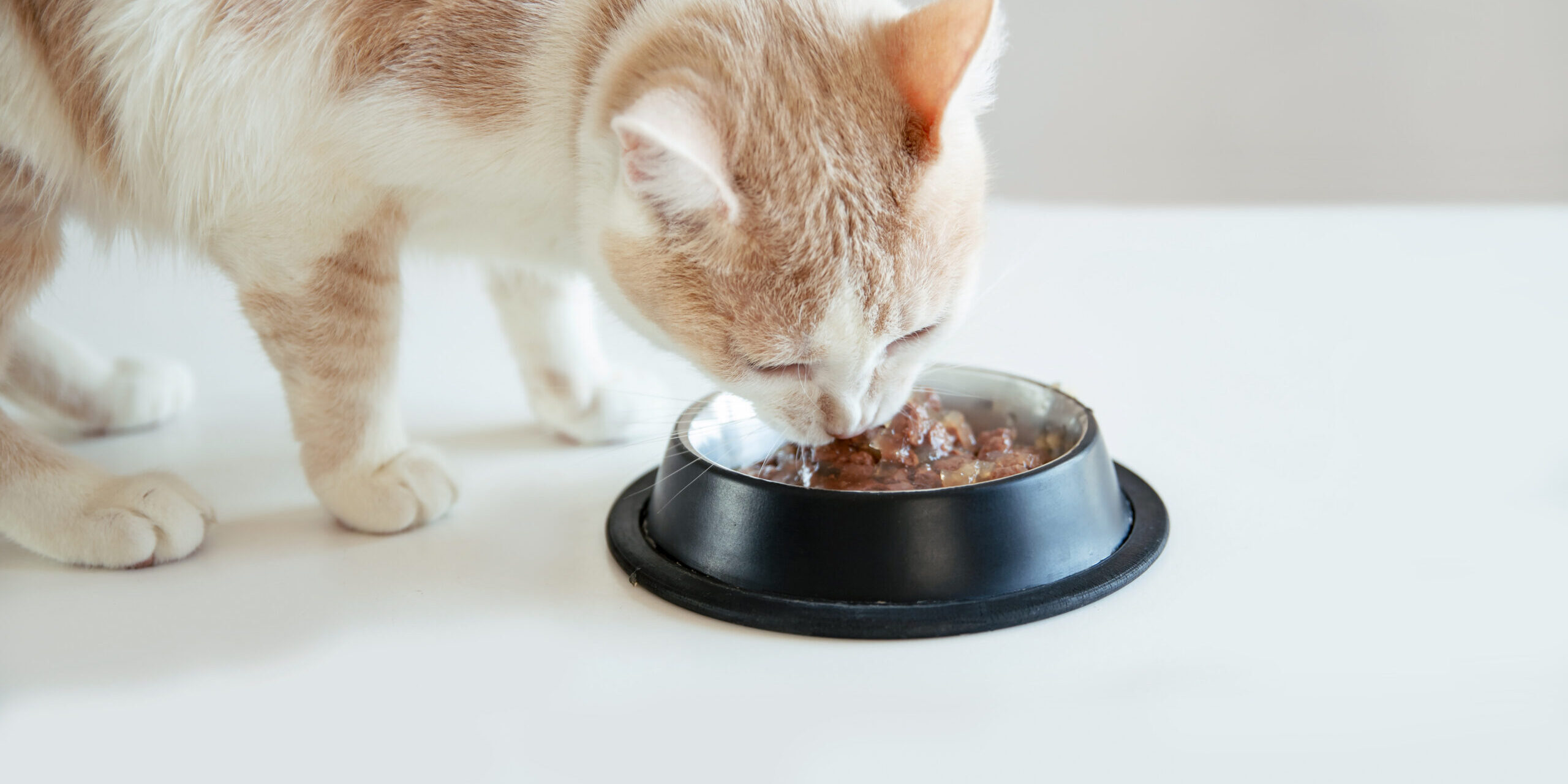
If you’ve spent any time online lately, you’ve probably noticed a growing trend in pet nutrition: fresh cat food. From refrigerated meals to gently cooked subscription plans, more cat owners are exploring alternatives to the traditional bag of kibble or stack of canned food in the pantry.
But does newer always mean better?
The truth is, when it comes to feeding your cat, there isn’t a one-size-fits-all answer. Affordable, traditional cat food still has an important place in many households.
The Rise of Fresh Cat Food
Fresh cat food has become increasingly popular as pet owners look for meals that feel closer to what they might prepare for themselves. These foods are often made with visible meat ingredients, fewer preservatives, and higher moisture content. Many brands market fresh meals as minimally processed and tailored to a cat’s natural diet.
For many cat owners, the appeal is simple: cats are family, and people want to give them the best they can.
Fresh food can also be a great option for cats that benefit from higher moisture intake, since hydration plays an important role in urinary and kidney health.
That said, fresh food is often significantly more expensive and requires refrigeration or freezing, which may not fit every lifestyle or budget.
Traditional Cat Food Still Has Value
It’s important to remember that traditional cat food, whether dry kibble or canned wet food, has been a trusted choice for decades.
Affordable cat food options are popular for good reason: they are convenient, widely available, shelf-stable, and formulated to meet cats’ nutritional needs when labeled as complete and balanced.
Dry food in particular remains a go-to for many households because it’s budget-friendly and easy to store. For multi-cat homes, busy schedules, or families trying to keep pet care costs manageable, kibble can be a practical solution.
And affordability should never be something pet owners feel guilty about.
Feeding your cat consistently with a reputable food that fits your budget is far more important than chasing trends. A cat who is regularly fed a complete diet is being well cared for.
It’s Not About “Good” vs. “Bad”
One of the biggest misconceptions in pet nutrition conversations is the idea that affordable food is automatically inferior.
In reality, what matters most is whether the food provides the nutrients your cat needs: high-quality protein, essential amino acids like taurine, healthy fats, vitamins, and minerals.
Price alone doesn’t always determine quality.
Some cats thrive on premium fresh diets. Others do wonderfully on canned food, dry food, or a mix of both.
For many owners, a balanced middle ground works best: using traditional food as the foundation and adding wet food, broth, or occasional fresh toppers for variety and extra moisture. This approach can help support hydration without dramatically increasing the monthly pet budget.
The Best Food Is the One That Works for You and Your Cat
At the end of the day, the “best” cat food is the one that keeps your cat healthy, happy, and consistently fed.
Fresh food may be the newest trend, but traditional cat food remains a reliable and responsible choice for millions of pet owners.
There’s no shame in choosing the option that fits your household budget.
Because loving your cat isn’t measured by the price of the food bowl: it’s measured by the care, consistency, and attention you give every day.