

When a cat stops using the litter box, it’s frustrating and often worrying for owners. Litter box avoidance is one of the most common behavior issues cats experience, but it’s rarely about “bad behavior.” In most cases, a cat is trying to communicate that something about their environment, routine, or setup isn’t working for them.
Understanding why litter box avoidance happens is the first step toward fixing it.
Why Cats Avoid the Litter Box
Cats are naturally clean and routine-driven animals. When something disrupts their sense of comfort or safety, the litter box is often the first place problems show up.
One of the most common causes is location. A litter box placed in a noisy, high-traffic, or hard-to-reach area can make a cat feel vulnerable. If a cat feels startled or unsafe while using the box, they may look for quieter alternatives.
Cleanliness also plays a major role. Cats have a strong sense of smell, and a box that isn’t cleaned regularly can become unappealing very quickly. Even if it looks “fine” to humans, lingering odors can be enough to drive a cat away.
Stress is another major factor. Changes like moving to a new home, introducing a new pet, rearranging furniture, or even schedule changes can cause anxiety. When stressed, cats often seek out new bathroom spots as a coping mechanism.
Finally, the box itself may be the issue. Boxes that are too small, difficult to enter, or uncomfortable to use can cause avoidance, especially for larger cats or seniors with mobility challenges.
How to Fix Litter Box Avoidance
The good news is that litter box issues are often easy to resolve once the underlying cause is addressed.
Start by evaluating placement. Choose a quiet, low-traffic area that’s easily accessible at all times. Avoid placing the box near loud appliances or in areas where the cat might feel cornered.
Next, review your cleaning routine. Scoop daily and fully clean the box regularly. Consistency matters, and keeping the box fresh can immediately improve usage.If stress is a factor, try to maintain predictable routines and give your cat time to adjust to changes. Providing calm, comfortable spaces throughout the home can also help reduce anxiety.
It’s also worth rethinking the design of the litter box itself. A box should offer enough space to move comfortably, easy entry, and a sense of privacy without feeling cramped. A well-designed litter box can make a significant difference in how safe and comfortable a cat feels.
How KatKAVE Supports Better Litter Habits
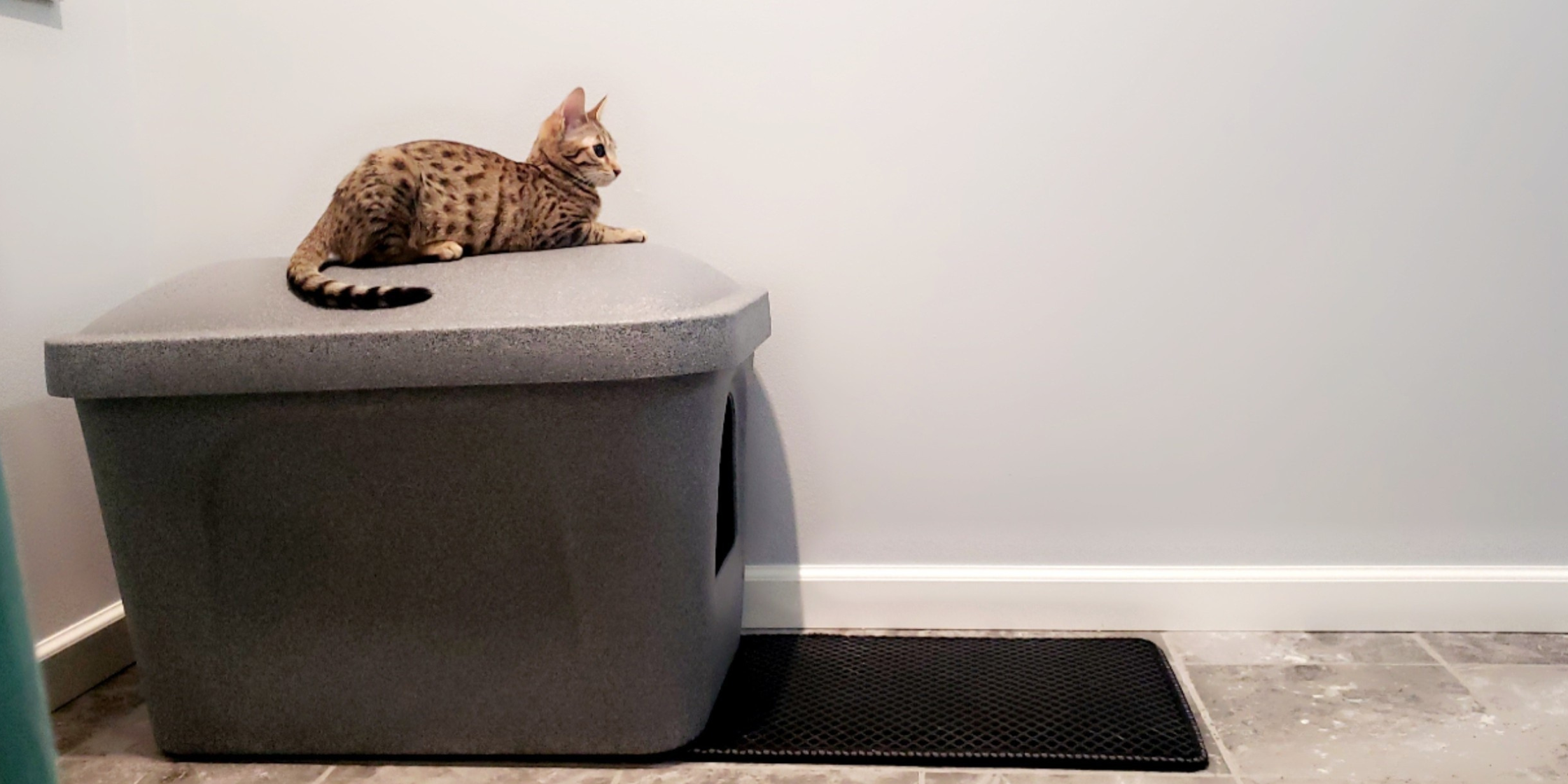
KatKAVE was designed with common litter box challenges in mind. Its thoughtful design focuses on comfort, accessibility, and cleanliness – helping reduce stress and improve consistency for cats who may be hesitant to use traditional boxes.
By creating a more inviting and user-friendly bathroom space, KatKAVE helps address many of the everyday issues that lead to litter box avoidance in the first place.
Patience Makes Progress
Litter box avoidance can be frustrating, but it’s often a solvable problem. With small adjustments to placement, cleanliness, and design, most cats return to consistent habits quickly.
By paying attention to your cat’s needs and creating a bathroom space that works for them, you can restore peace to your home and help your cat feel comfortable and confident again.